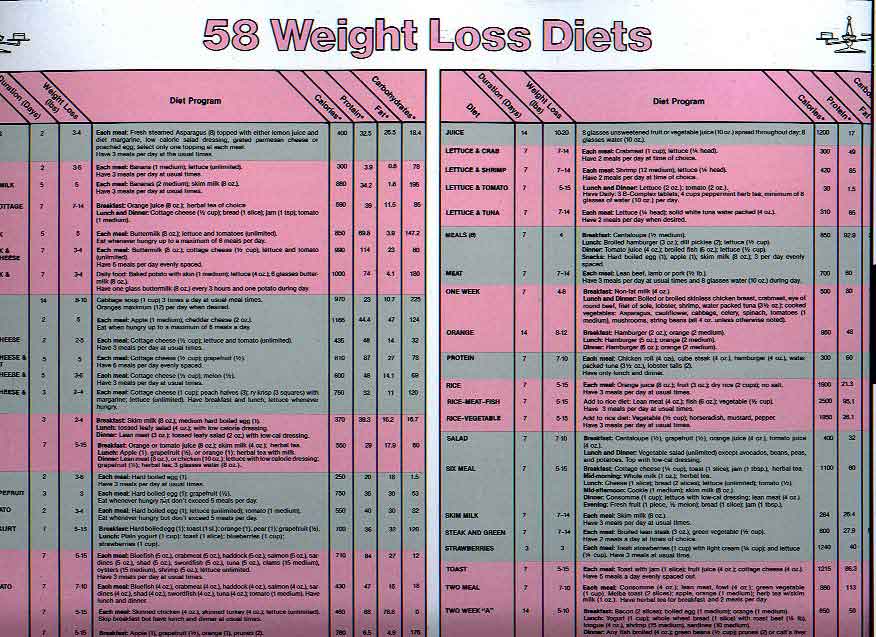
Weight Loss - Weight Loss Chart

Weight loss, in the context of medicine, health, or physical fitness, refers to a reduction of the total body mass, due to a mean loss of fluid, body fat or adipose tissue and/or lean mass, namely bone mineral deposits, muscle, tendon, and other connective tissue. Weight loss can either occur unintentionally due to malnourishment or an underlying disease or arise from a conscious effort to improve an actual or perceived overweight or obese state. "Unexplained" weight loss that is not caused by reduction in calorific intake or exercise is called cachexia and may be a symptom of a serious medical condition. Intentional weight loss is commonly referred to as slimming.

GETting HEALTHY on Pinterest | Weight Loss Chart, Measurement ...


Unintentional

Characteristics

Unintentional weight loss may result from loss of body fats, loss of body fluids, muscle atrophy, or even a combination of these. It is generally regarded as a medical problem when at least 10% of a person's body weight has been lost in six months or 5% in the last month. Another criterion used for assessing weight that is too low is the body mass index (BMI). However, even lesser amounts of weight loss can be a cause for serious concern in a frail elderly person.

Unintentional weight loss can occur because of an inadequately nutritious diet relative to a person's energy needs (generally called malnutrition). Disease processes, changes in metabolism, hormonal changes, medications or other treatments, disease- or treatment-related dietary changes, or reduced appetite associated with a disease or treatment can also cause unintentional weight loss. Poor nutrient utilization can lead to weight loss, and can be caused by fistulae in the gastrointestinal tract, diarrhea, drug-nutrient interaction, enzyme depletion and muscle atrophy.

Continuing weight loss may deteriorate into wasting, a vaguely defined condition called cachexia. Cachexia differs from starvation in part because it involves a systemic inflammatory response. It is associated with poorer outcomes. In the advanced stages of progressive disease, metabolism can change so that they lose weight even when they are getting what is normally regarded as adequate nutrition and the body cannot compensate. This leads to a condition called anorexia cachexia syndrome (ACS) and additional nutrition or supplementation is unlikely to help. Symptoms of weight loss from ACS include severe weight loss from muscle rather than body fat, loss of appetite and feeling full after eating small amounts, nausea, anemia, weakness and fatigue.

Serious weight loss may reduce quality of life, impair treatment effectiveness or recovery, worsen disease processes and be a risk factor for high mortality rates. Malnutrition can affect every function of the human body, from the cells to the most complex body functions, including:

  • immune response;
  • wound healing;
  • muscle strength (including respiratory muscles);
  • renal capacity and depletion leading to water and electrolyte disturbances;
  • thermoregulation; and
  • menstruation.

In addition, malnutrition can lead to vitamin and other deficiencies and to inactivity, which in turn may pre-dispose to other problems, such as pressure sores.

Unintentional weight loss can be the characteristic leading to diagnosis of diseases such as cancer and type 1 diabetes.

In the UK, up to 5% of the general population is underweight, but more than 10% of those with lung or gastrointestinal diseases and who have recently had surgery. According to data in the UK using the Malnutrition Universal Screening Tool ('MUST'), which incorporates unintentional weight loss, more than 10% of the population over the age of 65 is at risk of malnutrition. A high proportion (10-60%) of hospital patients are also at risk, along with a similar proportion in care homes.

Causes

Disease-related

Disease-related malnutrition can be considered in four categories:

Weight loss issues related to specific diseases include:

  • As chronic obstructive pulmonary disease (COPD) advances, about 35% of patients experience severe weight loss called pulmonary cachexia, including diminished muscle mass. Around 25% experience moderate to severe weight loss, and most others have some weight loss. Greater weight loss is associated with poorer prognosis. Theories about contributing factors include appetite loss related to reduced activity, additional energy required for breathing, and the difficulty of eating with dyspnea (labored breathing).
  • Cancer, a very common and sometimes fatal cause of unexplained (idiopathic) weight loss. About one-third of unintentional weight loss cases are secondary to malignancy. Cancers to suspect in patients with unexplained weight loss include gastrointestinal, prostate, hepatobilary (hepatocellular carcinoma, pancreatic cancer), ovarian, hematologic or lung malignancies.
  • People with HIV often experience weight loss, and it is associated with poorer outcomes. Wasting syndrome is an AIDS-defining condition.
  • Gastrointestinal disorders are another common cause of unexplained weight loss - in fact they are the most common non-cancerous cause of idiopathic weight loss. Possible gastrointestinal etiologies of unexplained weight loss include: celiac disease, peptic ulcer disease, inflammatory bowel disease (crohn's disease and ulcerative colitis), pancreatitis, gastritis, diarrhea and many other GI conditions.
  • Infection. Some infectious diseases can cause weight loss. Fungal illnesses, endocarditis, many parasitic diseases, AIDS, and some other subacute or occult infections may cause weight loss.
  • Renal disease. Patients who have uremia often have poor or absent appetite, vomiting and nausea. This can cause weight loss.
  • Cardiac disease. Cardiovascular disease, especially congestive heart failure, may cause unexplained weight loss.
  • Connective tissue disease
  • Neurologic disease, including dementia
  • Oral, taste or dental problems (including infections) can reduce nutrient intake leading to weight loss.

Therapy-related

Medical treatment can directly or indirectly cause weight loss, impairing treatment effectiveness and recovery that can lead to further weight loss in a vicious cycle.

Many patients will be in pain and have a loss of appetite after surgery. Part of the body's response to surgery is to direct energy to wound healing, which increases the body's overall energy requirements. Surgery affects nutritional status indirectly, particularly during the recovery period, as it can interfere with wound healing and other aspects of recovery. Surgery directly affects nutritional status if a procedure permanently alters the digestive system. Enteral nutrition (tube feeding) is often needed. However a policy of 'nil by mouth' for all gastrointestinal surgery has not been shown to benefit, with some suggestion it might hinder recovery.

Early post-operative nutrition is a part of Enhanced Recovery After Surgery protocols. These protocols also include carbohydrate loading in the 24 hours before surgery, but earlier nutritional interventions have not been shown to have a significant impact.

Some medications can cause weight loss, while others can cause weight gain.

Social conditions

Social conditions such as poverty, social isolation and inability to get or prepare preferred foods can cause unintentional weight loss, and this may be particularly common in older people. Nutrient intake can also be affected by culture, family and belief systems. Ill-fitting dentures and other dental or oral health problems can also affect adequacy of nutrition.

Loss of hope, status or social contact and spiritual distress can cause depression, which may be associated with reduced nutrition, as can fatigue.


Intentional

Intentional weight loss is the loss of total body mass as a result of efforts to improve fitness and health, or to change appearance through slimming.

Weight loss in individuals who are overweight or obese can reduce health risks, increase fitness, and may delay the onset of diabetes. It could reduce pain and increase movement in people with osteoarthritis of the knee. Weight loss can lead to a reduction in hypertension (high blood pressure), however whether this reduces hypertension-related harm is unclear.

Weight loss occurs when the body is expending more energy in work and metabolism than it is absorbing from food or other nutrients. It will then use stored reserves from fat or muscle, gradually leading to weight loss.

It is not uncommon for some people who are at their ideal body weight to seek additional weight loss in order to improve athletic performance or meet required weight classification for participation in a sport. Others may be driven to lose weight to achieve an appearance they consider more attractive. Being underweight is associated with health risks such as difficulty fighting off infection, osteoporosis, decreased muscle strength, trouble regulating body temperature and even increased risk of death.

According to the U.S. Food and Drug Administration (FDA), healthy individuals seeking to maintain their weight should consume 2,000 calories (8.4 MJ) per day.

According to the Dietary Guidelines for Americans those who achieve and manage a healthy weight do so most successfully by being careful to consume just enough calories to meet their needs, and being physically active.

Low-calorie regimen diets are also referred to as balanced percentage diets. Due to their minimal detrimental effects, these types of diets are most commonly recommended by nutritionists. In addition to restricting calorie intake, a balanced diet also regulates macronutrient consumption. From the total number of allotted daily calories, it is recommended that 55% should come from carbohydrates, 15% from protein, and 30% from fats with no more than 10% of total fat coming from saturated forms. For instance, a recommended 1,200 calorie diet would supply about 660 calories from carbohydrates, 180 from protein, and 360 from fat. Some studies suggest that increased consumption of protein can help ease hunger pangs associated with reduced caloric intake by increasing the feeling of satiety. Calorie restriction in this way has many long-term benefits. After reaching the desired body weight, the calories consumed per day may be increased gradually, without exceeding 2,000 net (i.e. derived by subtracting calories burned by physical activity from calories consumed). Combined with increased physical activity, low-calorie diets are thought to be most effective long-term, unlike crash diets, which can achieve short-term results, at best. Physical activity could greatly enhance the efficiency of a diet. The healthiest weight loss regimen, therefore, is one that consists of a balanced diet and moderate physical activity.

Weight gain has been associated with excessive consumption of fats, sugars, carbohydrates in general, and alcohol consumption. Depression, stress or boredom may also contribute to weight increase, and in these cases, individuals are advised to seek medical help. A 2010 study found that dieters who got a full night's sleep lost more than twice as much fat as sleep-deprived dieters.

The majority of dieters regain weight over the long term.

Therapeutic techniques

The least intrusive weight loss methods, and those most often recommended, are adjustments to eating patterns and increased physical activity, generally in the form of exercise. The World Health Organization recommended that people combine a reduction of processed foods high in saturated fats, sugar and salt and caloric content of the diet with an increase in physical activity.

An increase in fiber intake is also recommended for regulating bowel movements.

Other methods of weight loss include use of drugs and supplements that decrease appetite, block fat absorption, or reduce stomach volume.

Bariatric surgery may be indicated in cases of severe obesity. Two common bariatric surgical procedures are gastric bypass and gastric banding. Both can be effective at limiting the intake of food energy by reducing the size of the stomach, but as with any surgical procedure both come with their own risks that should be considered in consultation with a physician.

Dietary supplements, though widely used, are not considered a healthy option for weight loss. Many are available, but very few are effective in the long term.

Virtual gastric band uses hypnosis to make the brain think the stomach is smaller than it really is and hence lower the amount of food ingested. This brings as a consequence weight reduction. This method is complemented with psychological treatment for anxiety management and with hypnopedia. Research has been conducted into the use of hypnosis as a weight management alternative. In 1996 a study found that cognitive-behavioral therapy (CBT) was more effective for weight reduction if reinforced with hypnosis. Acceptance and Commitment Therapy ACT, a mindfulness approach to weight loss, has also in the last few years been demonstrating its usefulness.

Crash dieting

A crash diet is the willful restriction of nutritional intake (except water) for more than 12 waking hours. The desired result is for the body to burn fat for energy and thereby lose a significant amount of weight in a short time. Crash dieting can be dangerous to health and this method of weight loss is not recommended by physicians.

According to the Academy of Nutrition and Dietetics, "If the diet or product sounds too good to be true, it probably is. There are no foods or pills that magically burn fat. No super foods will alter your genetic code. No products will miraculously melt fat while you watch TV or sleep." Certain ingredients in supplements and herbal products can be dangerous and even deadly for some people.

Weight loss industry

There is a substantial market for products which promise to make weight loss easier, quicker, cheaper, more reliable, or less painful. These include books, DVDs, CDs, cremes, lotions, pills, rings and earrings, body wraps, body belts and other materials, fitness centers, personal coaches, weight loss groups, and food products and supplements.

In 2008 between US$33 billion and $55 billion was spent annually in the US on weight-loss products and services, including medical procedures and pharmaceuticals, with weight-loss centers taking between 6 and 12 percent of total annual expenditure. Over $1.6 billion a year was spent on weight-loss supplements. About 70 percent of Americans' dieting attempts are of a self-help nature.

In Western Europe, sales of weight-loss products, excluding prescription medications, topped £900 million ($1.4 billion) in 2009.

Homemade weight loss chart for over the scale. Every 5 pounds pick ...


See also

Vita Charts - Momentum98


References

DIY Weight Loss Chart


External links

  • Weight loss at DMOZ
  • Health benefits of losing weight By IQWiG at PubMed Health
  • Weight-control Information Network U.S. National Institutes of Health
  • Nutrition in cancer care By NCI at PubMed Health
  • Unintentional weight loss


Interesting Informations

Looking products related to this topic, find out at Amazon.com

Source of the article : here


Learn more »

Sherri Shepherd - Whoopi Goldberg Weight Loss

Sherri Evonne Shepherd (born c. 1966-1967) is an American comedienne, author, businesswoman, actress, and television personality. She headlined her own sitcom, Sherri, on Lifetime television. Shepherd hosts Nickelodeon channel's "NickMom Night Out" television program.

Shepherd appeared on Broadway in Rodgers and Hammerstein's musical Cinderella. In 2014, Shepherd played an ex-girlfriend of Chris Rock's character in Rock's film Top Five.

The View News, Photos and Videos - ABC News


Early life

Shepherd was born in Chicago, Illinois, the daughter of LaVerne (d. 1991) and Lawrence A. Shepherd (born c. 1947), a church deacon. She is the eldest of three sisters.


Careers

Businesswoman

As of 2015, a project includes a line of wigs and hair add-ins.

Acting

In 2009, she starred for one season in Lifetime Television's Sherri, a sitcom about Shepherd's life.

Shepherd has appeared as a special guest host of Who Wants to Be a Millionaire.

Television Personality

In 2006, Shepherd was a frequent guest co-host on ABC's The View. She was a permanent co-host from 2007 to 2014. She received several awards for her work on the show.

She co-hosted the 35th Daytime Emmy Awards on June 20, 2008.

On-Camera Flubs

Shepherd was criticized after one 2007 broadcast of The View. The show was often filmed "live", with little or no editing. She stated that she didn't "believe in evolution. Period." Co-host Whoopi Goldberg asked her, "Is the world flat?" She first responded, "I don't know," and expanded that she "never thought about it". Shepherd continued that it was more important to her that she thought about how she was "going to feed [her] child". Barbara Walters replied by pointing out, "You can do both." However, Shepherd then went on to quote Scripture. Shepherd later referred to her statement as a "brain fart" brought on by nerves. Barbara Walters and Shepherd talked after that episode: Walters said, "Dear, the Earth is round", and Shepherd responded with: "Barbara, I know that!"

Similar criticism erupted after the December 4, 2007, broadcast of The View when, during a discussion initiated by Joy Behar about Epicurus, Shepherd attempted to assert that Christians existed in classical Greece, and that the Greeks threw them to the lions. When confronted on this point, she further claimed that "Jesus came first" (before Greeks and Romans) and stated, "I don't think anything predated Christians", to which Joy Behar responded: "The Jews."

Shepherd garnered ridicule after admitting to never voting partly due to her upbringing as a strict Jehovah's Witness. She was quoted as saying that she just "never knew the dates or anything"; she stated, "I've never voted for anything in my life." In January 2008, Sherri referred to Gospel singer Shirley Caesar as "the black Patti LaBelle." LaBelle, like Caesar, is black.

Sherri said, "I was taught not to confront and interrupt people, but that's what I do every day on The View."

Author

Shepherd wrote the book Permission Slips: Every Woman's Guide to Giving Herself a Break, published in October 2009. Chapter Two is ironically titled "Permission to Date, Love, Marry and Divorce the Wrong Guy."

Shepherd also has a co-author credit on Plan D: How to Lose Weight and Beat Diabetes. That book was published by Harper Collins in 2013.

Dancing with the Stars

In March 2012, Shepherd participated as a celebrity contestant on the fourteenth season of ABC's Dancing with the Stars. Her dance partner was Val Chmerkovskiy. The dancing team lasted several weeks.


Rosie O'Donnell Debuts 53-Lb. Weight Loss on The View - The View ...


Charity

Sherri raises funds for the YAI Sherri Shepherd "Believe in Abilities" Fund.

YAI organization encourages autistic and developmentally challenged children to participate in life.

Fundraising efforts include asking members to donate unused AMEX Membership Rewards points.

The View News, Photos and Videos - ABC News


Personal life

Shepherd was previously married to Jeff Tarpley. Their twin daughter was stillborn. The surviving twin, a son, Jeffrey, was delivered prematurely.

TV writer Lamar Sally proposed to Shepherd on December 26, 2010. They married in August 2011 at the Fairmont Hotel in Chicago, and in September 2012, Shepherd said the couple was searching for a surrogate in order to have a child. Saly filed for separation on May 2, 2014, and Shepherd filed for divorce days later. In July 2014, Sally petitioned a Los Angeles court for full legal and physical custody of the child expected via surrogacy, who was born in August 2014. On April 21, 2015, a Pennsylvania court ruled Shepherd is the legal parent of a child born from a surrogate mother. The child has no DNA link to Shepherd.

Shepherd has type 2 diabetes after having had pre-diabetes for years.

A devout Christian, Shepherd has stated about the role God has played in her life and career: "If I didn't have God, I would have been dead."

Whoopi Goldberg Net Worth - Is Due To Her Talent


Filmography

Film


Television

Theatre

Steven Spielberg from Robin Williams' Famous Friends


Awards and nominations

Daytime Emmy Award and Nominations

  • 2008 Nomination for Outstanding Talk Show Host(s) (The View)
  • 2009 Award for Outstanding Talk Show Host(s) (The View)
  • 2010 Nomination for Outstanding Talk Show Host(s) (The View)
  • 2011 Nomination for Outstanding Talk Show Host(s) (The View)
  • 2012 Nomination for Outstanding Talk Show Host(s) (The View)
  • 2013 Nomination for Outstanding Talk Show Host(s) (The View)
  • 2014 Nomination for Outstanding Talk Show Host(s) (The View)

People's Choice Award Nomination

  • 2013 Nomination for Outstanding Talk Show Host(s) (The View)

Screen Actors Guild Award Nomination

  • 2010 Nomination for Outstanding Cast in a Motion Picture Precious (Shared with rest of cast)

Washington DC Area Film Critics Association Award Nomination

  • 2009 Nomination for Best Ensemble, Precious (Shared with all cast members)

Boston Society of Film Critics Award

  • 2009 Award for Best Ensemble Cast (Precious)

Broadcast Film Critics Association Award Nomination

  • 2010 Nomination for Best Acting Ensemble, Precious (Shared with rest of cast)

Black Reel Award Nomination

  • 2010 Nomination for Best Ensemble Cast, Precious (Shared with rest of cast)

BET Comedy Award Nomination

  • 2005 Nomination for Outstanding Supporting Actress in a Comedy Series (Less than Perfect)

NAACP Image Awards and Nominations

  • 2009 Award for Outstanding Talk Series (The View)
  • 2010 Nomination for Outstanding Actress in a Comedy Series (Sherri)
  • 2010 Nomination for Outstanding Talk Series (The View)
  • 2011 Award for Outstanding Talk Series (The View)

Gracie Award

  • 2010 Award for Leading Actress in a Comedy Series (Sherri)

Braveheart Award

  • 2010 Powerful Women in Hollywood Award
The View's' Rosie O'Donnell Reveals the Downsides of Her 50-Pound ...


References

Hearing Loss Links Hearing Loss Archives - Hearing Loss Links


External links

  • Sherri's book http://abcnews.go.com/GMA/Books/sherri-shepherd-permission-slips-womans-guide-giving-break/story?id=8712092
  • YAI website http://www.yai.org/
  • official website
  • Sherri Shepherd at the Internet Movie Database
  • Sherri Shepherd at the Internet Broadway Database


Interesting Informations

Looking products related to this topic, find out at Amazon.com

Source of the article : here


Learn more »

Snack Food - Healthy Snacks For Weight Loss

A snack is a portion of food often smaller than a regular meal, generally eaten between meals. Snacks come in a variety of forms including packaged snack foods and other processed foods as well as items made from fresh ingredients at home.

Traditionally, snacks are prepared from ingredients commonly available in the home. Often leftovers, cold cuts, sandwiches, nuts, fruit, and the like are used as snacks. The Dagwood sandwich was originally the humorous result of a cartoon character's desire for large snacks. Beverages, such as coffee, are not generally considered snacks though they may be consumed along with snack foods. A beverage may be considered a snack if it possesses a substantive food item (e.g., strawberries, bananas, kiwis that has been blended to create a smoothie).

Plain snacks like plain cereals, pasta, and vegetables are also mildly popular, and the word snack has often been used to refer to a larger meal involving cooked or leftover items. Six-meal eating is a form of eating that incorporates healthy snacks in between small meals, to stave off hunger and promote weight loss.

With the spread of convenience stores, packaged snack foods became a significant business. Snack foods are typically designed to be portable, quick, and satisfying. Processed snack foods, as one form of convenience food, are designed to be less perishable, more durable, and more portable than prepared foods. They often contain substantial amounts of sweeteners, preservatives, and appealing ingredients such as chocolate, peanuts, and specially-designed flavors (such as flavored potato chips). A snack eaten shortly before going to bed or during the night may be called a midnight snack.

List of Healthy Non-Fattening Snacks | Health guide for people!


Nutritional concerns

Snack foods are often subjectively classified as junk food because they typically have little or no nutritional value, and are not seen as contributing towards general health and nutrition. With growing concerns for diet, weight control and general health, government bodies like Health Canada are recommending that people make a conscious effort to eat more healthy, natural snacks - such as fruit, vegetables, nuts and cereal grains - while avoiding high-calorie, low-nutrient junk food.

A 2010 study showed that children in the United States snacked on average six times per day, approximately twice as often as American children in the 1970s. That's roughly 570 calories more per day than they did in the 1970s

Dieting and exercise have been a major trend for the last three decades although past years have focused on healthy snacks for weight loss through dietary supplements and flat. Fewer people are eliminating whole categories from their diet strategy plan programs and focusing on taking the right foods for weight-loss.


Types of snack foods

best snacks weight loss | healthy foods tips


See also

  • Canapés
  • List of snack foods
  • List of brand name snack foods
  • List of snack foods by country
  • List of Indian snack foods
  • List of foods
  • Snacking
25 Healthy Snacks for Weight Loss


References


Interesting Informations

Looking products related to this topic, find out at Amazon.com

Source of the article : here


Learn more »

Medium-chain Triglyceride - Oils For Weight Loss

Medium-chain triglycerides (MCTs) are triglycerides whose fatty acids have an aliphatic tail of 6-12 carbon atoms.

The fatty acids found in MCTs are called medium-chain fatty acids (MCFAs). Like all triglycerides, MCTs are composed of a glycerol backbone and three fatty acids. In the case of MCTs, 2 or 3 of the fatty acid chains attached to glycerol are medium-chain in length.

Rich sources for commercial extraction of beneficial MCTs include palm kernel oil and coconut oil.

Weight loss. Essential oils for weight loss


List of MCFAs


Applications

Dietary relevance

The milk fats of humans and guinea pigs are largely made up of long-chain fatty acids. The milk fats of cows, sheep, and goats are rich in short-chain fatty acids. The milk fats of horses contain large amounts of medium-chain fatty acids.

Some studies have shown that MCTs can help in the process of excess calorie burning, thus weight loss. MCTs are also seen as promoting fat oxidation and reduced food intake. Interest in MCTs has been expressed by endurance athletes and the bodybuilding community. While health benefits from MCTs seem to occur, a link to improved exercise performance is weak. A number of studies back the use of MCT oil as a weight loss supplement, but these claims are not without conflict, as about an equal number found inconclusive results.

Medical relevance

MCTs passively diffuse from the GI tract to the portal system (longer fatty acids are absorbed into the lymphatic system) without requirement for modification like long-chain fatty acids or very-long-chain fatty acids. In addition, MCTs do not require bile salts for digestion. Patients who have malnutrition or malabsorption syndromes are treated with MCTs because they do not require energy for absorption, use, or storage.

Medium-chain triglycerides are generally considered a good biologically inert source of energy that the human body finds reasonably easy to metabolize. They have potentially beneficial attributes in protein metabolism, but may be contraindicated in some situations due to their tendency to induce ketogenesis and metabolic acidosis.

Due to their ability to be absorbed rapidly by the body, medium-chain triglycerides have found use in the treatment of a variety of malabsorption ailments. MCT supplementation with a low-fat diet has been described as the cornerstone of treatment for primary intestinal lymphangiectasia (Waldmann's disease). MCTs are an ingredient in parenteral nutritional emulsions. Studies have also shown promising results for neurodegenerative disorders (e.g. Alzheimer's and Parkinson's diseases) and epilepsy through the use of ketogenic dieting.

Technical uses

MCTs are bland compared to other fats and do not generate off-notes (dissonant tastes) as quickly as LCTs. They are also more polar than LCTs. Because of these attributes, they are widely used as solvents for flavours and oral medicines and vitamins.

Coconut Oil Coffee on Pinterest | Bulletproof Coffee, Mct Oil and ...


See also

  • List of saturated fatty acids
  • List of carboxylic acids
Gold Bond Restoring CoQ10, Bio-Oil, and plastic wrap. Rub it all ...


References

Aliexpress.com : Buy Weight Loss Products ARSYCHLL Essential Oils ...


Further reading


Interesting Informations

Looking products related to this topic, find out at Amazon.com

Source of the article : here



Learn more »

Montignac Diet - Weight Loss Clinic London Ky

The Montignac diet is a weight-loss diet that was popular in the 1990s, mainly in Europe. It was invented by Frenchman Michel Montignac (1944-2010), an international executive for the pharmaceutical industry, who, like his father, was overweight in his youth. His method is aimed at people wishing to lose weight efficiently and lastingly, reduce risks of heart failure, and prevent diabetes.

KentuckyOne Health - Find a Physician


Principle

Carbohydrate-rich foods are classified according to their glycemic index (GI), a ranking system for carbohydrates based on their effect on blood glucose levels after meals. High-GI carbohydrates are considered "bad" (with the exception of those foodstuffs like carrots that, even though they have high GIs, have a quite low carbohydrate content and should not significantly affect blood sugar levels, also called low glycemic load or low GL). The glycemic index was devised by Jenkins et al. at the University of Toronto as a way of conveniently classifying foods according to the way they affected blood sugar and was developed for diabetics suffering from diabetes mellitus. Montignac was the first to recommend using the glycemic index as a slimming diet rather than a way of managing blood sugar levels, and recommendations to avoid sharp increases in glucose blood sugar levels (as opposed to gradual increases) as a strategy for anyone to lose weight rather than a strategy for diabetics to stabilize blood sugar levels.

Montignac's diet was followed by the South Beach Diet that also used the GI principle, and Michael Mosley's Intermittent Fasting 5:2 diet incorporates a recommendation to select foods with a low glycemic index or glycemic load.

"Bad carbohydrates", such as those in sweets, potatoes, rice and white bread, may not be taken together with fats, especially during Phase 1 of the Method. According to Montignac's theory, these combinations will lead to the fats in the food being stored as body fat. (Some kinds of pasta, such as "al dente" durum wheat spaghetti, some varieties of rice, such as long-grain Basmati, whole grains and foods rich in fiber, have a lower GI.)

Another aspect of the diet regards the choice of fats: the desirability of fatty foods depends on the nature of their fatty acids: polyunsaturated omega 3 acids (fish fat) as well as monounsaturated fatty acids (olive oil) are the best choice, while saturated fatty acids (butter and animal fat) should be restricted. Fried foods and butter used in cooking should be avoided.

The Montignac Method is divided into two phases.

Phase I: the weight-losing phase. This phase consists chiefly of eating the appropriate carbs, namely those with glycemic index ranked at 35 or lower (pure glucose is 100 by definition). A higher protein intake, such as 1.3-1.5 grams per kg of body weight, especially from fish and legumes, can help weight loss, but people with kidney disease should ask their doctor.

Phase II: stabilization and prevention phase. Montignac states on his website that we "can even enhance our ability to choose by applying a new concept, the glycemic outcome (synthesis between glycemic index and pure carbohydrate content) and the blood sugar levels which result from the meals. Under these conditions, we can eat whatever carbohydrate we want, even those with high glycemic indexes".

In his books, Montignac also provides a good number of filling French and Mediterranean style recipes. The pleasure of food and the feeling of fullness are key concepts in the Method as they are believed to help dieters stick to the rules in the long term and not go on a binge. Montignac also recommends that dieters should never miss a meal, and have between-meal snacks if that helps to eat less at meals.


Scientific studies

Montignac's theory is disputed by nutrition experts who claim that any calorie intake that exceeds the amount that the body needs will be converted into body fat. It has been argued that Montignac confuses the direction of causality between obesity and hyperinsulinemia and that the weight loss is simply due to the hypocaloric character of the diet.

The scientific literature refutes the hypotheses of Montignac regarding the metabolic effects of carbohydrates and fatty acids. Critics also point out that the Glycemic Index is not easy to use, as it depends on the exact variety of the food; how it was cooked; combinations with other foods in the same meal, and so on. Despite these scientific doubts, there are other serious scientific studies which endorse this method. Although a review concluded that low glycemic index diets do not achieve greater weight loss than low-fat diets, the former might lead to greater reductions in cardiovascular risk factors.

KentuckyOne Health - Find a Physician


Popularity

Montignac sold 15 million books about his diet, and his method has been made famous by the celebrities who adopted it, including Gérard Depardieu and others.

KentuckyOne Health - Find a Physician


See also

KentuckyOne Health - Find a Physician


References

Weight loss clinic san jose ca


External links

  • Official Montignac website


Interesting Informations

Looking products related to this topic, find out at Amazon.com

Source of the article : here



Learn more »

Oatmeal - Oatmeal For Weight Loss

Oatmeal, also known as white oats, is ground oat groats (i.e., grains, as in oat-meal, cf. cornmeal, peasemeal, etc.), or a porridge made from oats (also called oatmeal cereal or stirabout). Oatmeal can also be steel-cut, crushed, or rolled.

The Reality of Health and Weight Loss ̢ۢ 10 Best Oatmeal Toppers 10 ...


Use

The oat grains are de-husked by impact, then heated and cooled to stabilize the oat groats, the seed inside the husk. The process of heating produces a nutty flavour in the oats. These oat groats may be milled to produce fine, medium or coarse oatmeal. Rolled oats are steamed and flattened whole oat groats. Steel-cut oats may be small and broken groats from the de-husking process; these may be steamed and flattened to produce smaller rolled oats. Quick-cooking rolled oats (quick oats) are cut into small pieces before being steamed and rolled. Instant oatmeal is pre-cooked and dried, usually with sweetener and flavouring added. Both types of rolled oats may be eaten uncooked as in muesli or may be cooked to make porridge. It is also used as an ingredient in oatmeal cookies, oatcakes, British flapjack bars and baked oatmeal, or as an accent, as in the topping on many oat bran breads and the coating on Caboc cheese. "Oatmeal" is also sometimes porridge with the bran or fibrous husk as well as the oat kernel or groat. In some countries rolled oats are eaten raw with milk and sugar or raisins. Oatmeal is also used as a thickening agent in savoury Arabic/Egyptian thick meat-and-vegetable soups.

An oatmeal bath, made by adding a cup of finely ground oatmeal to one's bathwater, is also commonly used to ease the discomfort associated with such conditions as chickenpox, poison ivy, eczema, sunburn and dry skin.


Breakfast cereal health benefits

There has been increasing interest in oatmeal in recent years because of its health benefits. Daily consumption of a bowl of oatmeal can lower blood cholesterol, because of its soluble fibre content. After it was reported that oats can help lower cholesterol, an "oat bran craze" swept the U.S. in the late 1980s, peaking in 1989. The food craze was short-lived and faded by the early 1990s. The popularity of oatmeal and other oat products increased again after the January 1997 decision by the Food and Drug Administration that food with a lot of oat bran or rolled oats can carry a label claiming it may reduce the risk of heart disease when combined with a low-fat diet. This is because of the beta-glucan in the oats. Rolled oats have long been a staple of many athletes' diets, especially weight trainers, because of its high content of complex carbohydrates and water-soluble fibre that encourages slow digestion and stabilizes blood-glucose levels. Oatmeal porridge also contains more B vitamins and calories than other kinds of porridges.

Oatmeal diet. Weight loss tips


Regional variations

Scotland

Oatmeal has a long history in Scottish culinary tradition because oats are better suited than wheat to Scotland's short, wet growing season. Oats became the staple grain of that country. The ancient universities of Scotland had a holiday called Meal Monday to permit students to return to their farms and collect more oats for food.

Samuel Johnson referred, disparagingly, to this in his dictionary definition for oats: "A grain, which in England is generally given to horses, but in Scotland supports the people." His biographer, James Boswell, noted that Lord Elibank was said by Sir Walter Scott to have retorted, "Yes, and where else will you see such horses and such men?"

A common method of cooking oatmeal in Scotland is to soak it overnight in salted water and cook on a low heat in the morning for a few minutes until the mixture thickens.

In Scotland, oatmeal is created by grinding oats into a coarse powder. It may be ground fine, medium, or coarse, or rolled, or the groats may be chopped in two or three pieces to make what is described as pinhead oatmeal. Ground oatmeal, rolled oats, and pinhead oatmeal, are all used (throughout Britain); one Scots manufacturer describes varieties as "Scottish Porridge Oats" (rolled), "Scottish Oatmeal" (medium ground), and "Pinhead Oatmeal". The main uses are:

  • Traditional porridge
  • Brose: a thick mixture made with uncooked oatmeal (or medium oatmeal that has been dry toasted by stirring it around in a dry pot over heat until it turns a slightly darker shade and emits a sweet, nutty fragrance) and then adding butter or cream. Brose is eaten like porridge but is much more filling.
  • Quick-cooking rolled oats (distinct from "instant" variations) are often used for this purpose nowadays, because they are quicker to prepare.
  • Gruel, made by mixing oatmeal with cold water that is strained and heated for the benefit of infants and people recovering from illness.
  • as an ingredient in baking
  • in the manufacture of bannocks or oatcakes
  • as a stuffing for poultry
  • as a coating for Caboc cheese
  • as the main ingredient of the Scottish dish skirlie, or its chip-shop counterpart, the deep-fried thickly-battered mealy pudding
  • mixed with sheep's blood, salt, and pepper to make Highland black pudding (marag dubh).
  • mixed with fat, water, onions and seasoning, and boiled in a sheep's intestine to make marag geal, Outer Hebridean white pudding, served sliced with fried eggs at breakfast. A sweeter version with dried fruit is also known.
  • as a major component of haggis.
  • in sowans, not strictly made from the meal but as a porridge-like dish made from the fermented inner husks of oats

Staffordshire

Staffordshire oatcakes are a local component of the full English breakfast. It is a plate-sized pancake, made with equal parts medium oatmeal and wheatmeal (flour), along with frothing yeast. Once the mixture has risen to produce something like a Yorkshire pudding batter, it is ladled onto a griddle or bakestone, and dried through. Staffordshire oatcakes are commonly paired with bacon, sausages, mushrooms, kidney, baked beans, among others.

Vermont

In the American state of Vermont, oatmeal-making has a long tradition originating with the Scottish settlement in the state. While there are variations, most begin with steel-cut oats. The oats are soaked overnight in cold water, salt, and maple syrup. Early the next morning, before beginning farm chores, ground nutmeg, ground cinnamon, and sometimes ground ginger are added to the oats. The pot is placed over heat and cooked for 90 minutes or more, and served after the chores with cream, milk, or butter. As most contemporary Vermonters no longer have farm chores, the recipe is simplified to a 10- to 30-minute cooking at a higher heat. Vermont leads the United States in per capita consumption of cooked oatmeal cereal.

Nordic countries and the Baltic

Havregrynsgröt, havregrød or kaurapuuro (Finnish) is a porridge made from rolled oats, water and/or milk and often added raisins. It is a traditional breakfast staple in Sweden, Norway, Denmark, Finland, Iceland, Estonia, Latvia, and Lithuania. Porridge made from rye (vattgröt) or barley (bjuggröt) was more common during the Middle Ages.

Health Benefits of Oatmeal | Health Cure Tips


See also

  • List of porridges
Healthy Chocolate Oatmeal | POPSUGAR Fitness


References


Interesting Informations

Looking products related to this topic, find out at Amazon.com

Source of the article : here


Learn more »

Weight Loss Camp - Summer Weight Loss Camps

A weight loss camp, weight loss resort, retreat, or holiday, is a type of residential program where people who are overweight or obese go to lose weight through exercise and lifestyle changes. In common parlance the term "fat camp" is also often used (either humorously or pejoratively) to refer to these programs. Weight loss camps typically provide nutrition classes, weekly weigh-ins, and a variety of classes and activities designed for weight loss.

The goal of the camps is to enhance the health of the campers, help them lose weight, raise their self-confidence and self-image, as well as teach them healthy life skills and choices. These camps provide weight-loss results of two to five pounds per week on average. However, the more overweight the camper, the more they generally lose in these programs. The effectiveness of these summer camps varies widely and usually depends on the quality of the individual program and biochemistry of the attending campers.

Newer programs not only focus on weight loss, but also on changing behavior through a combination of training on self-regulatory behaviors and cognitive-behavioral therapy (CBT) to ensure that weight loss persists long after campers return home. Most experts believe these are key elements of an effective program.

A number of weight loss camps are currently in operation in the United States, Canada, and throughout Europe. These camps vary greatly in terms of the methods used and outcomes (both long-term and short-term) experienced by campers. Some attendees experience long-term changes in health and physical fitness, while others gradually or immediately go back to overeating. One of the main determining factors appears to be support from other family members and friends.

In an effort to help maintain post-camp weight loss, some camps now offer more one-on-one training and/or nutritional counseling and life coaching as a way to educate and motivate long-term success.

6 Alternatives to Weight Loss Camps for Kids and Teens


See also

  • Fitness boot camp
  • Wellspring camps
  • Heavyweights
  • Fat Camp: An MTV Docs Movie Presentation
  • Fat Camp (South Park)


References

Shane - Adult Weight Loss Camp - Camp Shane


External links

  • Parents turn to fat camps for obesity solution, ABC
  • America's Growing Waistline, WireTap Magazine
  • Getting Physical: A different kind of summer camp aims to shape winners for life Seattle Times


Interesting Informations

Looking products related to this topic, find out at Amazon.com

Source of the article : here


Learn more »